Image

Affiliate Disclosure:

This post may contain affiliate links, If you choose to purchase through these links, I may earn a small commission at no extra cost to you. I try to recommend products I personally use or would feel confident including in my own routine.Thank you for supporting my blog! 

What People Are Searching For:

  • anti inflammatory meals
  • what to eat when feeling bloated
  • simple meals for gut health
  • healthy chicken quinoa recipes
  • easy meals for low energy days

The Meal I Didn’t Have to Think About

There was a time where eating felt more like a decision than it should have been.

Not because I didn’t have options, but because nothing felt right.

  • Something would feel too heavy.
  • Something else felt like too much effort.
  • And most of the time I just wanted something simple that didn’t leave me feeling off after.

That’s when I started putting this bowl together

Not as a “recipe”

Just as something I could rely on without overthinking

And over time, that mattered more than anything else

Why This Kind of Meal Made Sense for Me

I wasn’t trying to follow a strict plan

I just started paying attention to meals that felt:

  • lighter after eating
  • balanced instead of heavy
  • simple enough to repeat

This combination naturally fit into that.

Chicken for something filling

Quinoa as an easy base

Greens to keep it fresh

Olive oil and lemon to bring everything together

Turmeric was something I started adding more often because it’s commonly used in everyday cooking when people are focusing on more balanced, simple meals.

Not in a complicated way

Just as part of the routine

How This Connects to Bloating, Gut Health and Energy (Without Overthinking It)

I’m not looking at this meal as a solution

I look at it as a supportive option

Something that:

  • doesn’t feel overly heavy
  • includes whole, simple ingredients
  • fits into a consistent eating pattern
  • When meals feel easier on your system
  • when you’re not constantly switching between extremes
  • when you have something reliable

That alone can make a noticeable difference over time

How to Make It

Ingredients:

  • chicken breast
  • cooked quinoa
  • turmeric
  • mixed leafy greens
  • olive oil
  • fresh lemon

Instructions:

  • cook the chicken breast in olive oil and season with turmeric
  • prepare quinoa according to package instructions
  • add leafy greens to your plate or bowl
  • slice the chicken and place over quinoa and greens
  • finish with olive oil and fresh lemon juice

Adjust portions and flavors based on what you prefer.

What I Noticed Over Time

The difference wasn’t dramatic.

It was subtle and steady.

  • Feeling more satisfied after meals.
  • Less guessing what to eat.
  • Having a reliable option that didn’t feel restrictive.

That’s what made it stick.

People look for the perfect diet.

But what actually works is:

  • keeping meals simple
  • repeating what works
  • not overcomplicating choices

That’s where consistency builds.

These are simple tools and staples that make this kind of meal easier to make & be consistent.

  • A reliable pan that cooks evenly
  • Glass containers for simple meal prep
  • A good quality olive oil you enjoy using
  • Organic turmeric to keep things easy
  • Pre washed greens to save time

The goal is not to overbuy,  It’s to make consistency easier.

Expand Your Daily Herbal Rituals:

If you want to bring the calming power of plants into your everyday life,

Check out my Herbal Wellness Ebook.

It features beginner-friendly botanical guides, calming bedtime infusions, and gentle everyday wellness recipes to support your body from the inside out.

👉 Click Here to Explore the Herbs for Health Ebook

Final Thoughts:

This isn’t about changing everything overnight.

  • It’s about having one meal you can rely on.
  • One option that feels balanced.
  • One habit you can repeat without effort.

That’s what makes it valuable.

🔍Related Searches 

  • easy anti inflammatory meals
  • meal prep for gut health
  • healthy chicken quinoa recipes
  • simple balanced dinner ideas
  • foods that support digestion

Medical Disclaimer:

This content is for informational purposes only & reflects my personal experience & research. It's not intended as medical advice. It is not a substitute for professional guidance, diagnosis, or treatment. Always consult a qualified healthcare provider before adding new herbal ingredients to your routine, especially if you have existing conditions or are taking medication.


Image

Affiliate Disclosure:

This post may contain affiliate links, If you choose to purchase through these links, I may earn a small commission at no extra cost to you. I try to recommend products I personally use or would feel confident including in my own routine. Thank you for supporting my blog! 

Why I Started Making This Juice

There was a point where I just felt off more often than I wanted to admit.

Not in a dramatic way. Just small things adding up.

Feeling bloated after meals.

Waking up without much energy.

Taking longer to recover after simple activities,

Nothing extreme, but enough to notice.

I didn’t want complicated routines or a cabinet full of supplements. I wanted something simple I could actually stick to.

That’s how this juice became part of my routine.

Not as a fix

Just as a daily support habit.

What’s In This Juice and Why It Works Together

Pineapple

Adds natural sweetness and makes the juice enjoyable so it doesn’t feel like a chore.

Turmeric

Commonly used in everyday wellness routines and often paired with black pepper.

Ginger

One of those ingredients people naturally reach for when they want something warming and supportive after meals.

Lime

Brightens the flavor and balances everything out.

Black pepper

Often included with turmeric in recipes to round out the blend.

This combination isn’t complicated, and that’s exactly why it works as a habit.

How This Juice Fits Into a Daily Routine

This isn’t about quick results.

It’s about creating something you can return to daily without thinking too hard about it.

I started using it:

  • After heavier meals
  • On mornings when I felt sluggish
  • On days when I wanted something fresh but grounding

Over time, it just became part of my rhythm.

How to Make the Juice

Ingredients:

  • Fresh pineapple
  • Fresh ginger
  • Fresh turmeric or turmeric powder
  • Lime
  • A pinch of black pepper

Instructions:

  • Blend or juice the pineapple with ginger and turmeric
  • Add fresh lime juice
  • Stir in a small pinch of black pepper
  • Serve fresh

You can adjust everything to taste. There’s no perfect formula here.

If you want to make this part of your routine without friction, these are simple tools and ingredients that help:

A good quality juicer or high speed blender

Organic turmeric powder or fresh turmeric root

Glass storage bottles for prepping ahead

A citrus press for fresh lime juice

Fresh ginger root in bulk

The goal is not to buy more,

It’s to remove resistance so you actually follow through.

What I Noticed Over Time

The biggest shift wasn’t instant.

It was subtle.

  • Feeling a little lighter after meals
  • Having a go-to instead of grabbing random options
  • Building a routine that didn’t feel forced

That’s what made the difference.

The Part Most People Skip

Most people try something once and move on.

What actually matters is repetition.

  • keeping it simple
  • making it easy
  • not overthinking it

That’s what turns something small into something that actually supports you.

Final Thoughts

This juice isn’t meant to be perfect.

It’s meant to be doable.

Something you can come back to without effort.

Something that fits into your life as it already is

That’s what makes it valuable.

🔍Related Searches You Can Explore Next

  • simple anti inflammatory drinks
  • daily habits for gut health
  • easy juice recipes for beginners
  • natural ways to support digestion
  • morning wellness drink ideas

Medical Disclaimer:

This content is for informational purposes only and is not intended as medical advice. It is not a substitute for professional guidance, diagnosis, or treatment. Always consult a qualified healthcare provider before adding new herbal ingredients to your routine, especially if you have existing conditions or are taking medication.


Image

Affiliate Disclosure:

This post may contain affiliate links, which means I may earn a small commission if you purchase through my links at no extra cost to you.

There is a specific moment in our fifties when our skin decides to completely change the rules of the game. 

For years, you think you know your skin type, and then suddenly, the moisture just seems to evaporate.

I remember waking up a few months ago, looking in the mirror, and seeing a dull, paper-dry texture that made me look just as exhausted as my body felt.

Navigating chronic inflammation and hormonal shifts means my skin is incredibly sensitive.

The heavy anti-aging creams from the department store shelves? They instantly cause redness and irritation for me.

That is when I stopped looking at skincare aisles and started looking at my kitchen counter.

Today, I want to share a simple, two-ingredient daily ritual that has brought back my natural skin glow without causing a single flare-up: the Aesthetic Aloe Vera and Raw Honey Mask. It is gentle, cost-effective, and deeply grounding.

Why These Two Ingredients Work Wonders After 50

In Ayurvedic philosophy, dry skin is often a sign of excess Vata (the air and ether elements), which naturally increases as we age. To bring back balance, we need ingredients that are cooling, heavy, and deeply soothing.

  • Fresh Aloe Vera Gel: Think of aloe as a long, cool glass of water for thirsty skin cells. It contains active enzymes and vitamins that cool surface warmth, calm dry irritation, and provide instant hydration without clogging pores.
  • Raw Honey: Honey is a natural humectant. This means it physically draws moisture out of the air and locks it deep into your skin. It also supports natural skin renewal, leaving a soft, plump texture behind.

My Evening Ritual: How to Make the Mask

I love turning this application into a dedicated evening self-care routine. It takes less than five minutes to prepare, giving you a beautiful moment to slow down and connect with your body.

What You Need:

  • 1 tablespoon of fresh aloe vera gel (scooped straight from the plant leaf, or a clean, organic bottled gel).
  • 1 tablespoon of raw, unpasteurised honey.
  • A small ceramic bowl and spoon.

Step-by-Step Guide:

  1. The Blend: Mix the aloe gel and raw honey together in your small bowl until it forms a smooth, smooth golden glaze.
  2. The Prep: Cleanse your face gently with warm water and pat dry with a soft cloth.
  3. The Mindful Application: Using clean fingers, smooth the golden mixture over your face and neck in gentle, upward circular motions. Avoid the immediate eye area.
  4. The Pause: Leave the mask on for 15 to 20 minutes. Don't scroll on your phone during this time. Sit in a comfortable chair, close your eyes, take deep belly breaths, and let the cooling botanicals settle your skin.
  5. The Rinse: Wash your face gently with lukewarm water. You will instantly feel a soft, hydrated barrier on your skin. Pat dry and seal it in with your favorite everyday facial oil.

Final Thoughts on Mindful Aging:

True skin radiance doesn’t require a 10-step chemical routine or a fancy spa membership.

Sometimes, the most profound comfort comes from the simplest, cleanest ingredients nature provides.

Start with this one small evening ritual twice a week, listen to your body, and enjoy the gentle cooling relief.

Expand Your Daily Herbal Rituals:
If you want to bring the calming power of plants into your everyday life beyond skincare,

Check out my Herbal Wellness Ebook.

It features beginner-friendly botanical guides, calming bedtime infusions, and gentle everyday wellness recipes to support your body from the inside out.

👉 Click Here to Explore the Herbs for Health Ebook

https://www.digistore24.com/redir/466293/MilaInspires/

Medical Disclaimer:

This content is for informational purposes only and is not intended as medical advice. It is not a substitute for professional guidance, diagnosis, or treatment. Always consult a qualified healthcare provider before adding new herbal ingredients to your routine.

Image

Affiliate Disclosure:

This post contains affiliate links. As an Amazon Associate I earn from qualifying purchases. If you choose to purchase through these links, I earn a small commission at no extra cost to you. I try to recommend products I personally use or would feel confident including in my own routine. Thank you for supporting my blog!

Bloating, digestive discomfort, and feeling out of balance are common concerns, especially as the body needs shift over time.

Many people begin to explore simple, supportive habits that fit easily into daily life without adding complexity.

Licorice ginger honey tea is a traditional-style herbal blend that continues to gain attention for its role in supporting digestion and overall balance. Rather than acting as a quick fix, it fits best as part of a consistent, mindful routine.

What This Tea Is and Why It Works Together

• Licorice root
Traditionally used in herbal practices and known for its naturally sweet profile. It is often included in blends designed to support digestive comfort.

• Ginger
A widely used ingredient in daily wellness routines, especially valued for its warming nature and use after meals.

• Honey
Used to balance flavor and improve drinkability, making it easier to incorporate consistently.

Together, these ingredients create a tea that is simple, approachable, and easy to maintain as a daily habit.

How This Tea Supports Bloating, Gut Health and Balance

• Encourages a more comfortable post-meal experience.
• Supports a balanced digestive routine.
• Fits into a lifestyle focused on gentle hormone support.
• Provides a warm, consistent daily ritual.

This tea works best when used consistently rather than occasionally.

How to Make Licorice Ginger Honey Tea

Ingredients

1 teaspoon dried licorice root
• 3 to 4 slices fresh ginger
• 1 cup hot water
• 1 teaspoon honey optional

Instructions

• Add licorice root and ginger to hot water
• Allow to steep for 5 to 7 minutes
• Strain into a cup
• Add honey if desired
• Drink slowly

When and How to Use It

• After meals to support digestion.
• As part of a morning or evening routine.
• Consistently throughout the week rather than     occasionally.

Building a routine around it matters more than the exact timing.

Safety Considerations

• Licorice root should be consumed in moderation.
• Not recommended for long-term excessive intake.
• Individuals with specific health conditions should consult a professional before use.

Evidence and Traditional Use

Licorice root and ginger have both been widely studied and used in traditional herbal practices.

• Licorice root has been explored for its role in digestive comfort and gut lining support.
• Ginger has been studied for its effect on gastric motility and digestive function.

Sources include:

• National Center for Complementary and Integrative Health (NCCIH).
• Review studies on ginger and digestion published in peer-reviewed       journals such as Food Science and Nutrition.
• Herbal medicine references on Glycyrrhiza glabra (licorice root).

These sources reflect ongoing research and traditional usage rather than definitive outcomes.

Creating a Consistent Daily Habit

Consistency is what makes simple practices effective over time.

• Pair the tea with an existing habit such as meals.
• Use the same cup or setting to reinforce the routine.
• Keep preparation simple to avoid friction.

Small, repeated actions tend to be more sustainable than complex routines.

Finding the time to make tea from scratch every day can be tough.

If you prefer a quick, high-quality convenience option, a box of pre-made Organic Licorice Tea Bags is perfect for a busy routine.

 Alternatively, if you want a more potent, daily therapeutic solution for deep digestive comfort without drinking multiple cups of tea, I highly recommend incorporating a daily Organic DGL Licorice Capsule Supplement into your morning routine.

Need a simple guide to holistic living? 

👉 Get Herbs for Healing — Easy Herbal Recipes & Blends for Home Use. 

Final Thoughts

Licorice ginger honey tea is not about dramatic changes. It is about creating a steady, supportive rhythm that aligns with a balanced lifestyle.

Used consistently, it becomes less about the tea itself and more about the habit it helps build.

Medical Disclaimer
This content is for informational purposes only and is not intended as medical advice. It is not a substitute for professional guidance, diagnosis, or treatment. Always consult a qualified healthcare provider regarding any health concerns or before introducing new herbal ingredients into your routine.

Related Searches You Can Explore Next

• best teas for bloating after eating
• daily habits for gut health
• simple hormone balance routines
• nighttime tea rituals for women
• anti inflammatory herbal drinks


Image Image

Affiliate Disclosure:

This post contains affiliate links. As an Amazon Associate I earn from qualifying purchases. If you choose to purchase through these links, I earn a small commission at no extra cost to you. I try to recommend products I personally use or would feel confident including in my own routine. Thank you for supporting my blog! 

Inflammation in the body can show up in many ways, joint pain, fatigue, bloating, or chronic discomfort. For many women, especially after 50, it becomes part of daily life.

But nature offers simple, effective solutions.

This anti-inflammatory herbal tea, combines powerful natural ingredients known for their healing properties.

Why This Tea Helps

The ingredients in this tea work together to:

  • Reduce inflammation.
  • Support joint health.
  • Improve digestion.
  • Boost overall wellness.

It’s a gentle, daily way to support your body from within.

Key Ingredients:

  • Ginger (powerful anti-inflammatory).
  • Turmeric (supports joint and immune health).
  • Lemon (detox and vitamin C support).
  • Honey (soothing and antibacterial).

How to Make It: 

  • Boil water.
  • Add fresh ginger and turmeric.
  • Let it simmer for 5–10 minutes.
  • Add lemon and honey before drinking.

Best Time to Drink: 

  • Morning (to start your day)
  • After meals (for digestion)
  • Daily for long-term benefits

Bonus Herbal  Tips:

Turmeric Root: 

Turmeric contains curcumin, a potent natural compound highly researched for its ability to block inflammatory pathways at a molecular level. 

Pairing organic turmeric powder or fresh root with your morning routine is one of the most effective ways to naturally soothe joint stiffness and muscle aches. 

[Click here to see Starwest Botanicals Organic Turmeric Root Powder on Amazon]

Ginger Root:

Ginger is packed with gingerols, which possess powerful anti-inflammatory and antioxidant properties that instantly soothe the digestive tract.

Drinking fresh ginger daily helps calm gut inflammation, reduces bloating, and improves overall nutrient absorption.

[Click here to check out Traditional Medicinals Organic Ginger Tea on Amazon

Black Pepper:

Black pepper contains piperine, an alkaloid that enhances your body's absorption of turmeric's active healing ingredients by up to 2,000%. Including just a tiny pinch of black pepper ensures your body actually utilizes the anti-inflammatory benefits instead of flushing them out.

[Click here to find Organic Whole Black Peppercorns on Amazon]

Final Thoughts: 

Consistency is key. Drinking this tea daily can help reduce inflammation over time and support a healthier, more balanced body.

👇Click below to discover the exact measurements and best combinations for maximum results.

Get Herbs for Healing — Easy Herbal Recipes & Blends for Home Use 

Explore More Resources

Medical Disclaimer:

This content is for informational purposes only & reflects my personal experience & research. It's not intended as medical advice. It is not a substitute for professional guidance, diagnosis, or treatment. Always consult a qualified healthcare provider before adding new herbal ingredients to your routine, especially if you have existing conditions or are taking medication.


Image Image

Affiliate Disclosure:

This post may contain affiliate links, which means I may earn a small commission if you choose to purchase through my links at no extra cost to you. I only share products I personally love and believe will add value to your wellness journey.

Feeling anxious, restless, or mentally overwhelmed after 50 is more common than most people admit. Hormonal shifts, life stress, and changes in sleep patterns can all contribute to increased anxiety.

But instead of turning to complicated solutions, many women are rediscovering something simple and powerful, herbal tea for calming the mind naturally.

Butterfly pea flower tea is not just visually stunning, it’s also a gentle, natural way to support relaxation and overall wellness, especially for women over 50 navigating stress, hormonal shifts, and low energy.

What makes it even more special?

It changes color from blue to purple when you add lemon, turning your tea into a calming, mindful experience.

Why This Tea Works

Certain herbs have natural calming properties that support the nervous system.When combined, they help:

  • Reduce stress levels.
  • Support better sleep.
  • Calm racing thoughts.
  • Promote emotional balance.

This makes it especially helpful for women over 50 dealing with daily anxiety.

Skin & Anti-Aging Benefits

This tea is also loved for its beauty benefits.

Butterfly pea flower is rich in antioxidants that may:

  • Support healthy, glowing skin.
  • Help fight signs of aging.
  • Improve overall skin appearance.
  • Protect against oxidative stress.

This makes it perfect for your inner + outer wellness routine.

Ingredients You’ll Need:

  • 1 tsp dried butterfly pea flowers
  • 1 cup hot water
  • Fresh lemon slices 
  • Honey 

How to Make Butterfly Pea Flower Tea

  • Boil fresh water
  • Add butterfly pea flowers to a cup
  • Pour hot water over them
  • Let steep for 5–7 minutes
  • Add lemon and watch the color change
  • Sweeten with honey if desired

How to Use (Best Results)

  • Drink in the evening to unwind
  • Use during stressful moments
  • Add to your self-care routine
  • Enjoy slowly (this is key)

Who This Is Perfect For

  • Women over 50
  • Anyone experiencing stress or anxiety
  • Those looking for natural glow support
  • Beginners exploring herbal wellness

Recommended Ingredients: 

To get the best results, use high-quality dried butterfly pea flowers.

Look for:

  • Organic butterfly pea flowers
  • Bright blue color (high quality)
  • No additives or filler

Need a simple guide to holistic living?

👉 Get Herbs for Healing — Easy Herbal Recipes & Blends for Home Use 

Final Thoughts

This isn’t just tea, it’s a daily calming ritual.

In a world that constantly demands more, taking a few minutes to sip something warm, beautiful, and nourishing can make a real difference.

Small habits like this are how true healing begins.

Want more simple herbal remedies like this?

Click below to explore more calming teas and wellness recipes:

👉 [https://www.digistore24.com/redir/466293/MilaInspires/

Disclaimer: 

This content is for informational purposes only and is not intended as medical advice. Always consult with a healthcare professional before adding new herbs to your routine, especially if you have existing conditions or are taking medication.

Image Image

Affiliate Disclosure:
This post may contain affiliate links. I may earn a small commission at no extra cost to you.

A calming saffron and cardamom tea that supports stress relief, relaxation, and glowing skin naturally. A simple luxury wellness drink for daily self-care.

Feeling tired, stressed, or noticing dull skin lately?

Sometimes your body isn’t asking for more products…

it’s asking for calm, nourishment, and simple rituals.

This Saffron + Cardamom Tea feels luxurious, but it’s actually a simple, powerful herbal drink you can make at home.

Why This Tea Works

This blend combines two powerful ingredients used in traditional wellness:

  • Saffron → Known for mood support, skin glow, and antioxidant properties.
  • Cardamom → Helps digestion, reduces stress, and adds calming warmth.
  • Together, they support both inner calm and outer glow.

Benefits of Saffron Cardamom Tea

  • Supports relaxation and reduces stress.
  • Enhances natural skin glow.
  • Provides antioxidant protection.
  • Helps digestion and reduces heaviness.

How to Make

Ingredients:

A few saffron strands.

2–3 crushed cardamom pods.

1 cup hot water.

Method: Steep for 5 minutes. Strain and drink warm.

How to Use

  • Drink in the evening or before bed
  • Use as part of your self-care routine
  • Best taken consistently for visible results

Pro Tip

Add a few drops of honey or warm milk for a richer, more soothing version.

If you want more simple herbal recipes like this for stress, skin, and inflammation:

👉 Herbal Wellness Routine eBook (Beginner Friendly Guide)

https://www.digistore24.com/redir/466293/MilaInspires/

🔎 Related Searches 

  • saffron tea benefits for skin,
  • cardamom tea for relaxation,
  • herbal tea for stress relief,
  • natural glow drinks,
  • ayurvedic beauty tea

Final Thoughts 

Luxury doesn’t always mean expensive.

Sometimes it’s a quiet moment, a warm cup, and a simple ritual that helps your body slow down and reset.

This tea is a small habit, but over time, it can support both how you feel and how you glow.

Image Image

Affiliate Disclosure:

This post contains affiliate links. As an Amazon Associate I earn from qualifying purchases. If you choose to purchase through these links, I earn a small commission at no extra cost to you. I try to recommend products I personally use or would feel confident including in my own routine. Thank you for supporting my blog! 

If you’ve ever lain in bed with a busy mind, replaying the day or worrying about tomorrow, you’re not alone.

For many women especially after 50, stress doesn’t just stay in the mind… it shows up in the body as:

Restless sleep

Overthinking at night

Light, broken sleep cycles

Feeling tired but unable to rest

I used to struggle with this more than I expected.

That’s when I started building a simple nighttime herbal ritual using ashwagandha and calming spices to help my body naturally unwind.

Not a “quick fix”… but a gentle signal to slow down.

WHY STRESS & SLEEP CHANGE AFTER 50

As we get older, the body becomes more sensitive to:

  • Hormonal changes
  • Stress accumulation
  • Nervous system overactivity
  • Lower natural melatonin balance

This can make sleep feel lighter, shorter, or interrupted.

In Ayurveda, this is often linked to an imbalance in Vata (the energy of movement and overthinking).

So instead of forcing sleep, the goal is:

  • Calm the nervous system.
  • Ground the mind.
  • Warm the body.

WHY ASHWAGANDHA WORKS IN THIS RITUAL

Ashwagandha is a well-known Ayurvedic herb traditionally used to support:

  • Stress response balance.
  • Nervous system calm.
  • Relaxation before sleep.
  • Emotional grounding.

When combined with warming, soothing ingredients, it becomes a powerful night wind-down tea ritual.

It doesn’t “knock you out”

It gently tells your body it’s safe to rest.

SIMPLE AYURVEDIC SLEEP TEA RECIPE

Ingredients:

1 cup warm water

½ tsp ashwagandha powder

½ tsp cinnamon

A few fresh mint leaves (or pinch dried mint)

Optional: 1 tsp honey (after cooling slightly)

Instructions:

  • Warm your water until hot (not boiling strongly).
  • Add ashwagandha and cinnamon.
  • Stir well until fully mixed.
  • Add mint leaves and let it steep for 3–5 minutes.
  • Strain if needed.
  • Sip slowly 30–60 minutes before bed.

HOW THIS TEA SUPPORTS YOUR NIGHT ROUTINE

  • This simple blend may help support:
  • A calmer mind before sleep
  • Reduced nighttime restlessness
  • Gentle stress release after a long day
  • A consistent bedtime ritual your body recognizes

The real power is not just the tea

It’s the repetition of the ritual

HOW I USE IT (PERSONAL RITUAL)

  • I usually prepare this tea about 30–45 minutes before bed.
  • I slow down, put my phone aside, and sip it quietly.
  • It has become less about “sleeping faster” and more about creating a calm transition into rest.

ENHANCE YOUR NIGHT RITUAL

If you want to deepen the calming effect of your evening routine, pair your tea with a soft, peaceful environment.

  • Dim lighting
  • Quiet space
  • A calming scent or candle

BONUS BEDTIME HERBAL TEAS

Chamomile:

Chamomile is famous for containing apigenin, an antioxidant that binds to receptors in your brain to naturally decrease anxiety and trigger sleepiness.

Drinking a warm cup of this classic herb before bed is the easiest way to soothe a restless mind and signal your body that it is safe to drift off. [Click here to see my favorite Traditional Medicinals Organic Chamomile Tea on Amazon]

Lavender:

Lavender is scientifically proven to lower your heart rate and ease nervous tension, making it incredibly effective for melting away daytime stress.

Adding organic lavender tea to your evening routine helps quiet a racing mind so you can enjoy a smoother transition into a peaceful night's rest.

[Click here to check out TAZO Organic Dream Chamomile & Lavender Tea on Amazon]

Valerian Root:

Valerian root acts as a gentle, natural sedative that improves sleep quality by increasing a calming chemical called GABA in your brain. It is the perfect herbal remedy for anyone struggling with deep insomnia, helping you fall asleep faster and stay asleep longer without any morning grogginess.

[Click here to find Nighty Night Extra with Valerian Root on Amazon]

Need a simple guide to holistic living? 

👉 Get Herbs for Healing — Easy Herbal Recipes & Blends for Home Use 

  • Simple calming herbal routines
  • Natural stress-relief recipes
  • Easy bedtime lifestyle tips
  • Gentle Ayurvedic-inspired sleep support

FINAL THOUGHTS

You don’t need complicated routines to support better sleep.

Sometimes the body responds best to:

  • Warmth
  • Simplicity
  • Consistency
  • Gentle herbal support

Start small. Stay consistent. Let your body adjust over time.

Medical Disclaimer:

This content is for informational purposes only & reflects my personal experience & research. It's not intended as medical advice. It is not a substitute for professional guidance, diagnosis, or treatment. Always consult a qualified healthcare provider before adding new herbal ingredients to your routine, especially if you have existing conditions or are taking medication.

🔍Related Searches:

  • herbal sleep tea
  • ashwagandha tea for sleep
  • natural stress relief tea
  • Ayurvedic sleep remedies
  • tea for anxiety and sleep
  • bedtime herbal tea ritual

👉 Explore here:


Image Image

Affiliate Disclosure:

This post may contain affiliate links. I may earn a small commission at no extra cost to you. I only recommend products I personally use & trust.

Dandruff isn’t just “flakes.” When it becomes severe, itchy, stubborn, and constant, it can feel frustrating and even affect your confidence.

If you’re dealing with this, especially alongside autoimmune conditions, your scalp may be reacting to inflammation, dryness, or fungal imbalance.

The good news? You don’t need harsh chemicals. Ayurveda offers gentle, effective herbal solutions that work with your body, not against it.

Let’s walk through simple remedies you can start at home.

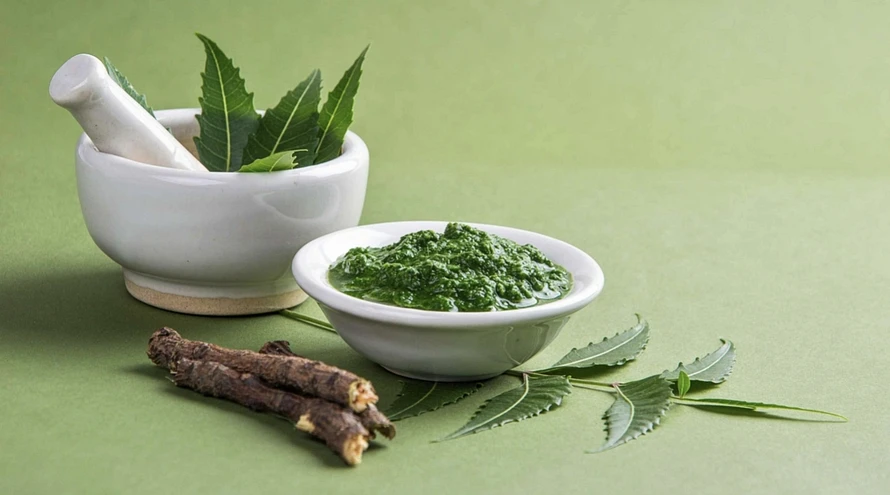
  1. Neem Scalp Rinse (Deep Clean + Antifungal)

Neem is one of the strongest natural antifungal herbs.

It helps remove the root cause of dandruff, not just the flakes.

How to use:

Boil neem leaves in water.

Let it cool.

Use as your final hair rinse.

Use 2–3 times weekly for best results.

Neem Hair Mask

Neem powder

Yogurt 

Mix into paste & apply for 1 hr

Rinse with warm water.

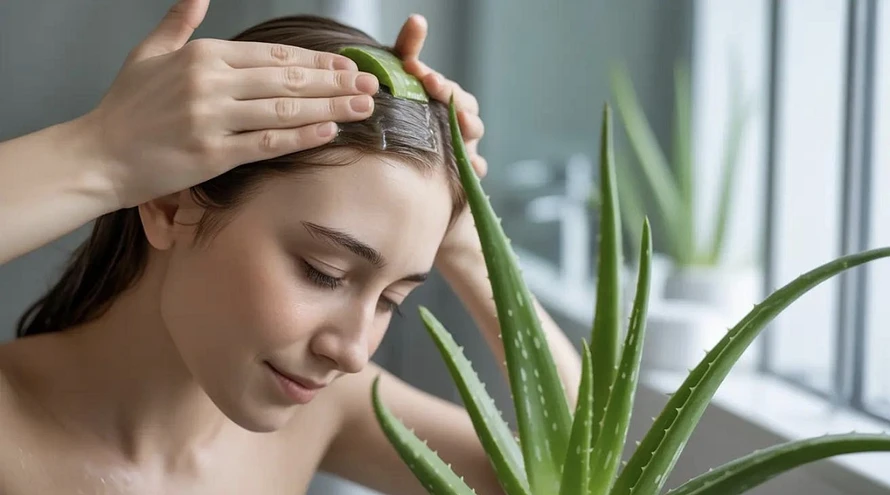
2. Aloe Vera Scalp Therapy (Instant Soothing)

If your scalp feels itchy, irritated, or tight, this is your go-to.

Aloe vera cools inflammation and deeply hydrates dry skin.

How to use:

Apply fresh aloe gel directly to scalp.

Leave for 20–30 minutes.

Rinse and wash.

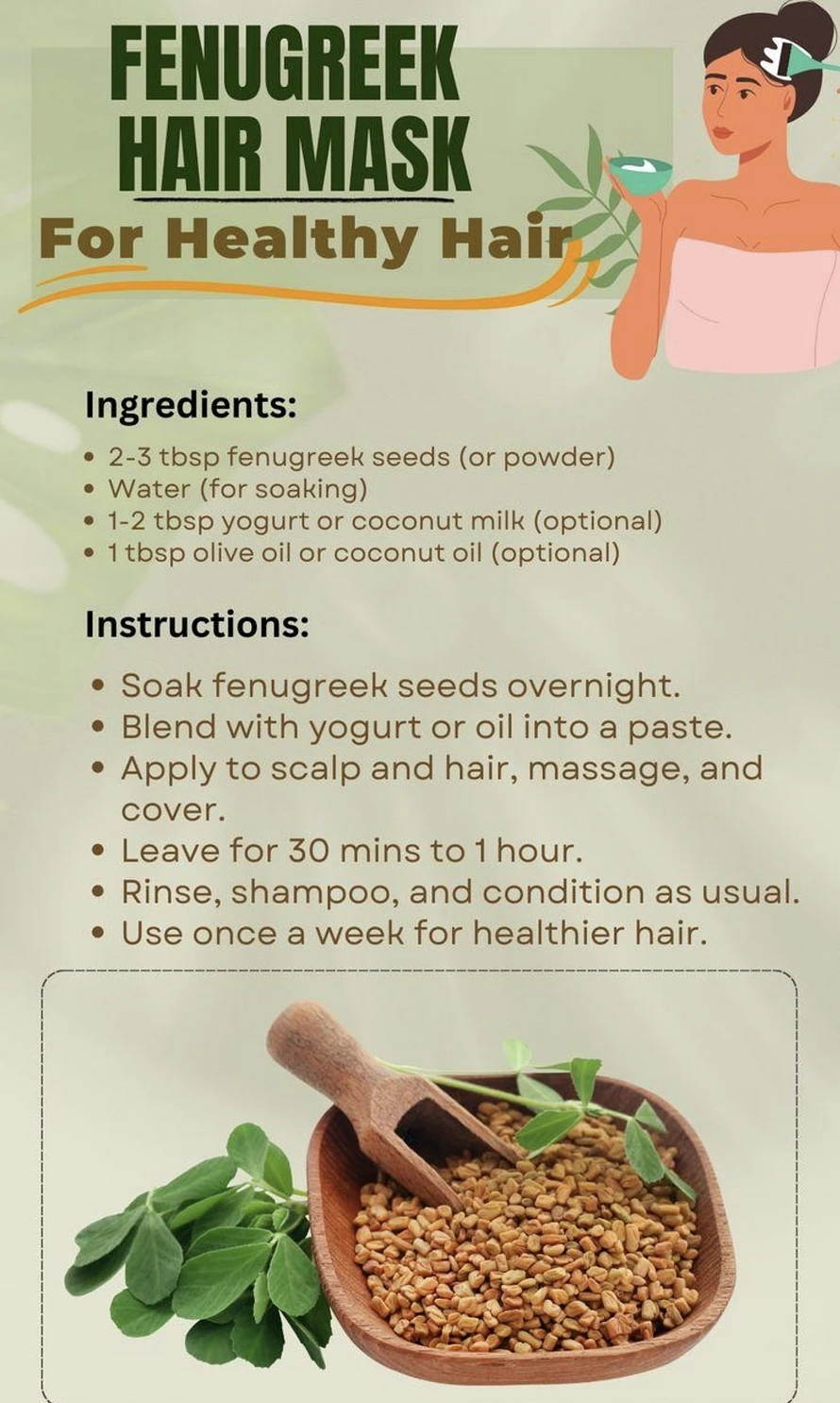
3. Fenugreek (Methi) Mask (Flake Control + Strength)

Fenugreek reduces flakes while strengthening hair roots.

How to use:

Soak seeds overnight.

Blend into a paste.

Apply to scalp for 30 minutes.

Perfect if you’re also noticing hair thinning.


4. Tea Tree Oil Blend (Target the Fungus)

Tea tree oil directly targets the fungus linked to dandruff.

How to use:

Mix 2–3 drops with coconut oil.

Massage into scalp.

Leave for 30 minutes or overnight.

⚠️ Always dilute, never apply directly.

5. Apple Cider Vinegar Rinse (Reset Your Scalp)

ACV restores your scalp’s natural pH and removes buildup.

How to use:

Mix 1 part ACV + 2 parts water.

Pour after shampoo.

Leave for a few minutes, rinse.


6 Brahmi Oil & Mask

Brahmi helps reduce scalp inflammation, calm itching, and strengthen hair roots

BRAHMI OIL (ANTI-DANDRUFF + CALMING)

Ingredients:

2 tbsp brahmi powder.

1/2 cup coconut oil (or sesame oil for deeper Ayurveda effect).

Optional: 5 drops tea tree oil (for severe dandruff) 

How to make:

Heat coconut oil on low flame.

Add brahmi powder.

Simmer for 5–10 minutes (don’t burn).

Let it cool.

Strain into a clean bottle.

Add tea tree oil (optional)

How to use:

Massage into scalp.

Leave 30 mins or overnight.

Wash with mild shampoo.

Use: 2–3x per week.

Brahmi Mask for scalp’s healing

Ingredients 

2 tbsp brahmi powder

2 tbsp yogurt (soothes + fights flakes)

1 tbsp aloe vera gel

Optional: few drops lemon juice (for oily dandruff)

How to make:

Mix everything into a smooth paste

Adjust with a little water if too thick

How to use:

Apply directly to scalp

Leave 20–30 minutes

Rinse + gentle shampoo

Use: 1–2x per week

Pro Tip: 

For severe dandruff, Brahmi works best in a combo routine:

Day 1: Neem or tea tree (kill fungus)

Day 2: Brahmi (heal + calm scalp)

This is how you move from temporary relief → actual healing.

When It Might Be More Than Dandruff

If your dandruff is thick, oily, or spreading to your eyebrows or ears, it could be Seborrheic dermatitis.

In that case, herbal remedies can still help, but you may also need medicated support.

Simple Weekly Routine

2x/week → Neem rinse /fenugreek mask

2x/week → Aloe vera

1–2x/week → Oil massage (tea tree + coconut) / brahmi oil

1x/week → ACV rinse

Consistency is where the magic happens.


Need a simple guide to holistic living?

👉 Get Herbs for Healing — Easy Herbal Recipes & Blends for Home Use 

Final Thoughts

Healing dandruff naturally takes patience—but it works.

Start simple. Stay consistent. And listen to your scalp.

This isn’t just about flakes, it’s about restoring balance in your body.

🔍Related searches: 

  • severe dandruff home remedies
  • itchy scalp natural treatment
  • how to remove dandruff permanently
  • ayurvedic dandruff remedy
  • scalp fungus natural treatment
  • dry flaky scalp remedy women


Image Image

Affiliate Disclouser:

This post contains affiliate links. If you purchase through them, I may earn a small commission at no extra cost to you. I recommend things that I personally use.

If you often feel bloated, heavy, or uncomfortable after meals, you’re not alone.

For many women over 50, digestion slows down, leading to:

  • Bloating
  • Gas
  • That uncomfortable “full” feeling even after light meals

I used to ignore it… until it became a daily issue.

That’s when I discovered this simple Ayurvedic-style digestive tea, made from everyday spices that gently support your body instead of overwhelming it.

Why Digestion Changes After 50

As we age:

  • Metabolism slows.
  • Digestive fire (Agni) weakens.
  • Heavy or cold foods become harder to process.

This leads to inflammation, bloating, and discomfort.

The solution isn’t extreme diets, it’s supporting digestion gently.

Why This Tea Works (Powerful but Simple)

This tea uses a combination of warming spices known in Ayurveda to support digestion:

  • Fennel Seeds → Reduce bloating & gas
  • Cumin Seeds → Stimulate digestion
  • Coriander Seeds → Help detox & reduce heaviness
  • Ginger → Supports gut movement & reduces inflammation
  • Lemon → Aids digestion & refreshes the system
  • Honey → Soothes and balances

Together, they create a balanced digestive support drink.

Why Most Digestive Solutions Don’t Help

Many options today:

  • Rely on medications
  • Provide temporary relief
  • Ignore root causes

Your body doesn’t need suppression, it needs support.

Simple Digestive Tea Recipe

Ingredients:

  • ½ tsp fennel seeds
  • ½ tsp cumin seeds
  • ½ tsp coriander seeds
  • 1 small piece fresh ginger
  • 1 cup water
  • Lemon + honey 

Instructions:

  1. Boil water with fennel, cumin, coriander, and ginger
  2. Simmer for 5–7 minutes
  3. Strain into a cup
  4. Add lemon and honey if desired
  5. Drink warm after meals

How to Use for Best Results

  • Drink after meals (especially dinner)
  • Use consistently for a few days
  • Pair with lighter evening meals

Think of it as a daily digestion reset

Want a Simple Anti-Inflammatory Routine?

If you’re dealing with digestion, inflammation, or low energy, having a simple daily routine helps.

This Herbs to Health eBook includes:

  • Daily herbal routines
  • Anti-inflammatory recipes
  • Easy lifestyle shifts

 Explore here:
https://www.digistore24.com/redir/466293/MilaInspires/

Final Thoughts:

You don’t need complicated solutions.

Sometimes, the simplest remedies used consistently, create the biggest change.

Start small. Stay consistent. Listen to your body.

🔎 Related Searches

  • tea for bloating relief
  • natural digestion remedies
  • ayurvedic tea for gas and bloating
  • fennel cumin coriander tea benefits